

Refresh Your Skin with Advanced Chemical Peels

When it comes to achieving a fresh, youthful complexion, chemical peels can deliver amazing results without invasive surgeries. These treatments have been used for decades to address a variety of skin concerns, from acne scars to fine lines and sun damage. 

Dr. Tripathi is always fine-tuning his remarkably effective chemical peels to help you achieve elegant results. If you're looking to revitalize your skin and restore its natural radiance, our chemical peels in Danville and the East Bay may be the answer you've been searching for.

What Is a Chemical Peel?

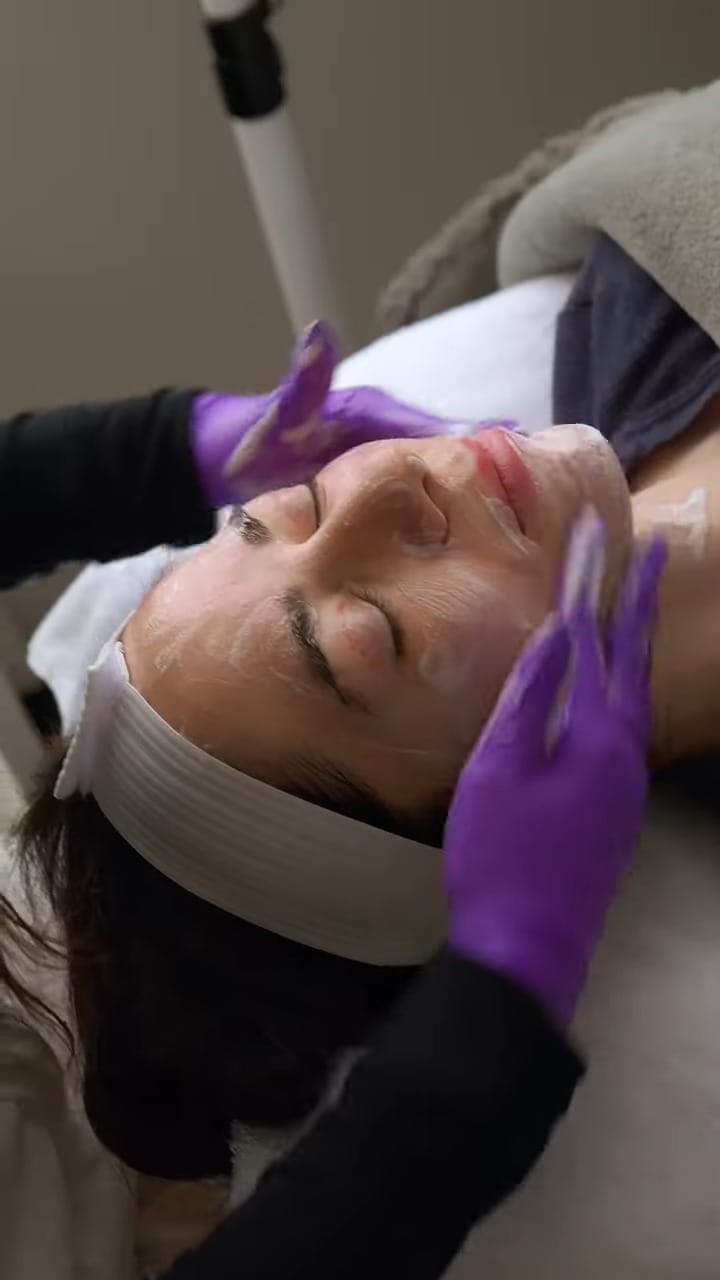
A chemical peel is a non-invasive cosmetic procedure designed to improve the texture and appearance of your skin. It works by applying a chemical solution to the skin's surface, which causes it to exfoliate and eventually peel off. The new skin that regenerates is typically smoother, less wrinkled, and more even in tone.

Types of Chemical Peels

There are several types of chemical peels, each designed to target specific skin concerns. The three primary categories of chemical peels are:

Superficial Peels

Also known as "lunchtime peels" or "light peels," these are the mildest type. They use a gentle acid, such as alpha hydroxy acid (AHA), to remove the outer layer of the skin. Superficial peels are ideal for improving the appearance of fine lines, mild discoloration, and rough skin.

Medium Peels

These peels use a stronger acid, such as trichloroacetic acid (TCA), to penetrate the middle layer of the skin. They are effective in treating moderate skin issues like age spots, wrinkles, and uneven skin tone.

Deep Peels

Deep peels are the most intensive and utilize strong acids like phenol. They can deeply penetrate the middle layer of the skin to address significant issues such as deep wrinkles, scars, or severe sun damage. These peels require more downtime but can deliver dramatic results.

Get Ready for Big Benefits with Little Down-Time

  • Improved Skin Texture: By removing dead and damaged skin cells, chemical peels promote a smoother and more refined skin texture.
  • Minimized Fine Lines: Superficial and medium peels can help reduce the appearance of fine lines and wrinkles, leaving your skin looking younger and rejuvenated.
  • Quick Procedure: Superficial peels can often be completed during your lunch break, making them a convenient option for those with busy schedules.
  • Even Skin Tone: Chemical peels can effectively address uneven skin tone, including pigmentation irregularities and sunspots.
  • Reduced Acne Scarring: Peels can help diminish the appearance of acne scars, improving your skin's overall look and feel.
  • Enhanced Collagen Production: The exfoliation process from chemical peels can stimulate collagen production, which is essential for maintaining youthful and plump skin.

Getting a chemical peel is a straightforward process that typically follows these steps:

  1. Consultation: Your journey begins with a consultation with a skincare professional. During this meeting, you'll discuss your skin concerns and goals. Your provider will assess your skin type and recommend the most suitable type of chemical peel for your needs.
  2. Preparation: Before the peel, your skin will be thoroughly cleaned to remove any makeup, oils, or dirt. A prepping solution may be applied to enhance the effectiveness of the peel.
  3. Application: The chemical solution is evenly applied to your skin. You may experience a mild burning sensation that lasts for a few minutes. The solution is then neutralized.
  4. Recovery: The recovery time varies depending on the depth of the peel. Superficial peels may have no downtime, while deeper peels may require several days of healing. You may experience redness, peeling, and flaking during the recovery period.
  5. Results: As your skin heals, you'll notice a significant improvement in its appearance. The final results of a chemical peel may take a few weeks to become fully apparent. Dr. Tripathi will help you decide on the treatment frequency that works best for your skin and goals.
Banner media

Get Personable & Professional Skin Guidance

At Bay Hill Plastic Surgery, we have extensive experience in performing chemical peels in Danville and the East Bay and tailor your treatment to your specific needs to ensure you achieve the best results. 

Say goodbye to uneven skin tone, fine lines, and skin imperfections. Schedule a consultation with Bay Hill Plastic Surgery; your path to healthy, vibrant skin starts here.

Chemical Peel FAQs

What are the different types of chemical peels offered at Bay Hills Plastic Surgery?

What can I expect during and after a chemical peel?

Are chemical peels safe for all skin types?

How do I know which chemical peel is right for me?

Do chemical peels hurt?

When will I start peeling after a chemical peel?

How many chemical peel treatments will I need?

How long do results from a chemical peel last?

Can chemical peels help with acne scars?

Can chemical peels help with melasma or hyperpigmentation?

What are the different types of chemical peels offered at Bay Hills Plastic Surgery?

We offer three main types of chemical peels to address a variety of skin concerns: - Superficial Peels: Also known as 'lunchtime peels,' these use mild acids to gently exfoliate the outermost skin layer, improving fine lines, mild discoloration, and rough texture. - Medium Peels: Utilizing stronger acids like trichloroacetic acid (TCA), these penetrate deeper to treat moderate skin concerns such as wrinkles, age spots, and uneven tone. - Deep Peels: These intensive treatments use powerful acids like phenol to target deep wrinkles, scars, and severe sun damage, providing dramatic results but requiring more downtime.

What can I expect during and after a chemical peel?

Your treatment begins with a consultation to determine the best peel for your skin type and goals. During the procedure, a chemical solution is applied to your skin, which may cause a mild tingling or burning sensation. Recovery times vary: - Superficial peels have little to no downtime, with mild redness or flaking. - Medium peels may require a few days of peeling and healing. - Deep peels involve longer recovery, with noticeable peeling and redness that may last up to two weeks. Results improve over time as new, refreshed skin emerges. Dr. Tripathi will guide you on post-care and the ideal treatment frequency for optimal results.

Are chemical peels safe for all skin types?

Yes, chemical peels are generally safe for most skin types when performed by a skilled professional like Dr. Tripathi. However, certain skin conditions, sensitivities, or darker skin tones may require specialized peel formulations to prevent irritation or hyperpigmentation. During your consultation, we will assess your skin and recommend the safest and most effective peel to achieve your desired results.

How do I know which chemical peel is right for me?

The right peel is selected based on your skin type, sensitivity, pigmentation risk, goals, and desired downtime. A consultation helps determine the safest and most effective peel depth and formula for you.

Do chemical peels hurt?

Most patients feel tingling, warmth, or mild stinging during the peel. Sensation depends on peel strength and skin sensitivity. Discomfort is usually brief, and your provider may use cooling or neutralizing steps to improve comfort.

When will I start peeling after a chemical peel?

Peeling typically begins 2–3 days after treatment and can last 3–7 days, depending on peel depth. Some light peels cause only mild flaking rather than visible peeling.

How many chemical peel treatments will I need?

Many patients see improvement after one peel, but a series is often recommended for best results—especially for acne, discoloration, and texture. Your provider will recommend a schedule based on your goals and the peel type.

How long do results from a chemical peel last?

Results can last for months, especially when paired with a good skincare routine and sun protection. Ongoing maintenance peels may be recommended to sustain improvements as the skin continues to age and experience sun exposure.

Can chemical peels help with acne scars?

Chemical peels can improve mild, surface-level acne scarring and post-inflammatory discoloration. Deeper scars may require combination treatment such as microneedling, laser resurfacing, or other procedures.

Can chemical peels help with melasma or hyperpigmentation?

They can, but treatment must be carefully selected and customized because some pigmentation conditions can worsen with irritation. Sun protection and a tailored skincare plan are essential for safe, effective pigment improvement.

Schedule Today Book Your Consultation

Contact Us
Logo media Contact us media
Accessibility: If you are vision-impaired or have some other impairment covered by the Americans with Disabilities Act or a similar law, and you wish to discuss potential accommodations related to using this website, please contact our Accessibility Manager at 925-257-0755.
Contact Us